
Quick Answers
Where does the tooth-billed bowerbird live?
Only in the upland rainforests of Far North Queensland.
What makes it unusual?
Instead of building a bower, the male clears a stage on the forest floor, lays large leaves pale side up, and sings from a perch above, often mimicking other birds.
When can I hear one?
In the singing season, roughly October to January.
Book the Tablelands Exclusive Wildlife and Nature Private Tour →
“The Tooth-Billed Bowerbird doesn’t build a bower of sticks and objects — it builds a stage of leaves on the forest floor and then performs, tirelessly, for any female willing to watch.”
Tooth-Billed Bowerbird: The Tablelands’ Most Devoted Performer
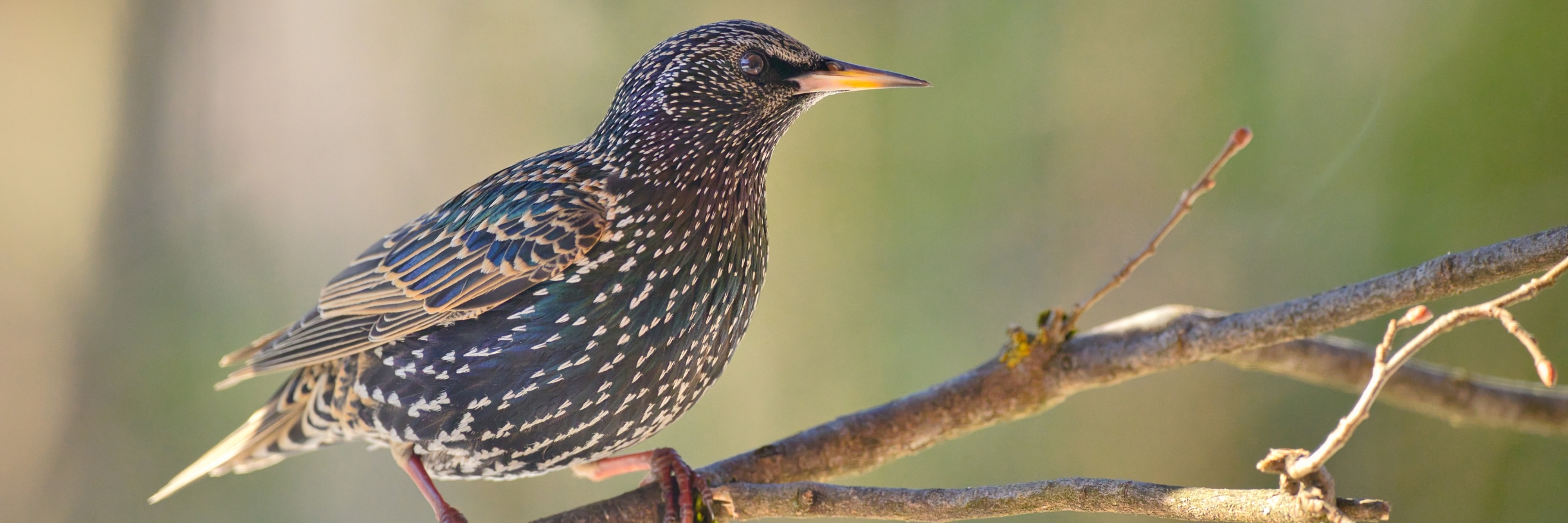
The Tooth-Billed Bowerbird is a remarkable bird found only in the upland tropical rainforests of Far North Queensland — and it is a genuine experience of the Atherton Tablelands that goes well beyond ordinary birdwatching. Unlike the more elaborate bower-builders that create architectural structures of sticks and coloured objects, the Tooth-Billed Bowerbird constructs a cleared court on the forest floor, covered with large leaves placed silver-side up to create an illuminated display platform.
 Walking Trails
 Atherton Tablelands Lakes
 Scenic Drives
 Atherton Tablelands Waterfalls
The male then takes his position on a perch above this stage and sings — a complex, constantly evolving performance that often incorporates mimicry of other species. The singing season runs from roughly October to January on the Tablelands, when the males are actively displaying, and finding a displaying male is one of the most memorable bird experiences available in the rainforest.
The tooth-bill refers to the serrated edges of the bird’s bill, which it uses to cut the large leaves it places on its court. Both sexes are brown, streaked birds without the flamboyant plumage of some bowerbird relatives — all of the display investment has gone into behaviour rather than appearance, which in some ways makes the displaying males even more compelling to watch.
The best places to look for Tooth-Billed Bowerbirds on the Tablelands are in upland rainforest between 400 and 1200 metres elevation — the area around Lake Eacham, the walking tracks between Atherton and Yungaburra, and the Mt Lewis rainforest are all areas with regular sightings. Local birdwatching guides can locate active bowers during the displaying season.
A Hot Getaways destination. Where Care is Our Compass.
Travel Kindly
At Hot Getaways, care is our compass — and a little kindness makes every journey better. When you visit the Atherton Tablelands, we gently ask you to:
- Tread lightly — stay on tracks and lookouts, and take special care around waterfalls, which can be slippery and swift.
- Respect the wildlife — never feed the platypus, tree-kangaroos or birds, and observe them quietly from a distance.
- Support local — choosing local operators, cafés and guides helps this beautiful place thrive.
- Honour Country — we travel on the traditional lands and sea Country of Australia’s First Peoples, with gratitude and respect to the Traditional Custodians past and present.
- Be kind to each other — a smile, a little patience and a helping hand make the day lovelier for everyone.
Small acts of care add up to something wonderful. Thank you for travelling kindly.